Goethe Multispectral

Goethe and More

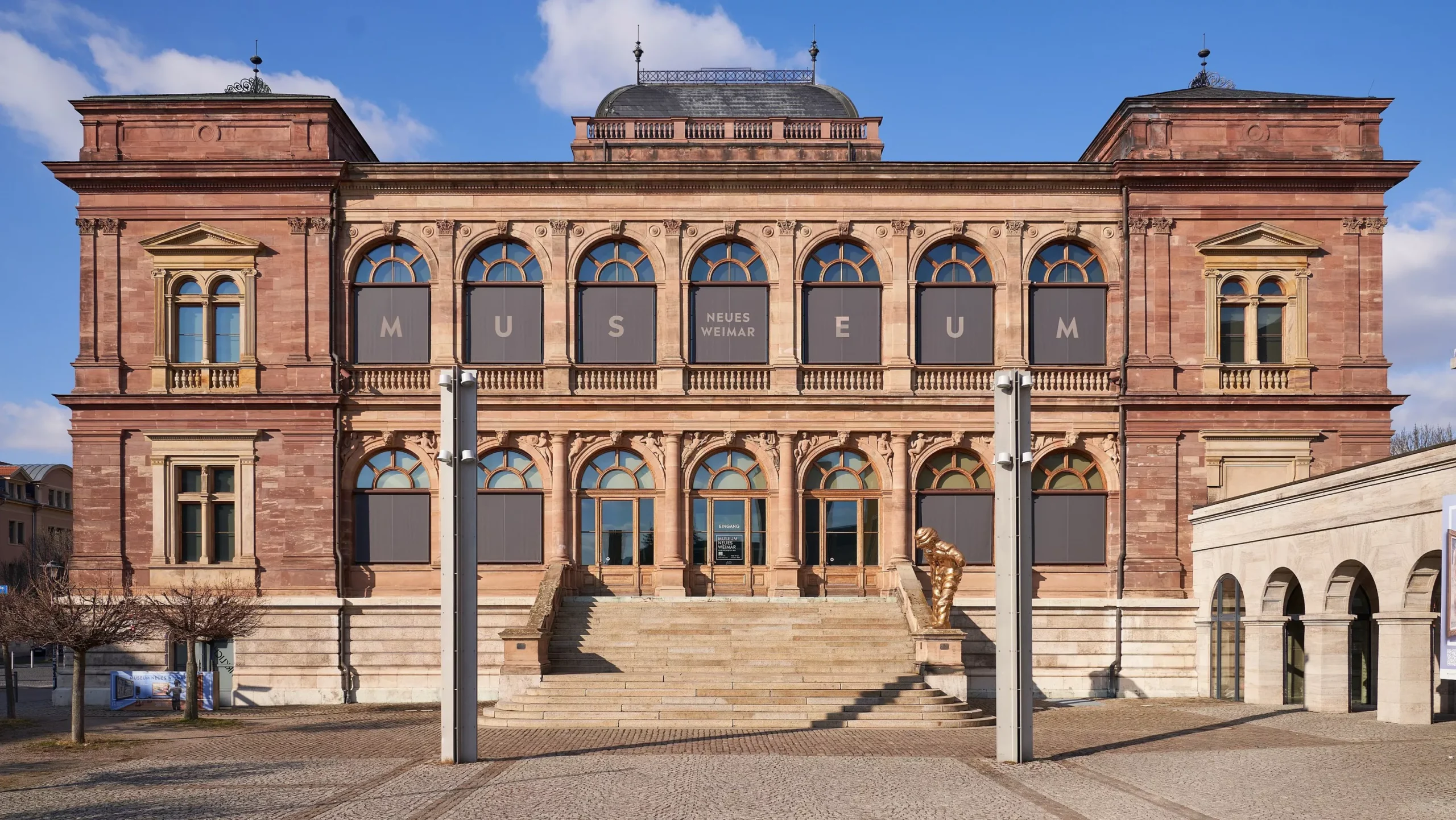
When you think of Weimar, Goethe, Schiller and the Bauhaus style quickly come to mind. Three flagships for sure, but the Thuringian city has many other cultural facets to offer, which the Klassik Stiftung Weimar is committed to preserving. Thereby, it covers a spectrum that is second to none. Certainly, Goethe plays a central, but by no means the only relevant role. The foundation comprises more than 27 museums, palaces, historic houses and parks as well as collections of literature and art. Naturally, it would like to preserve this extensive collection, pass it on to future generations and make it accessible to as many people as possible in the present and future.

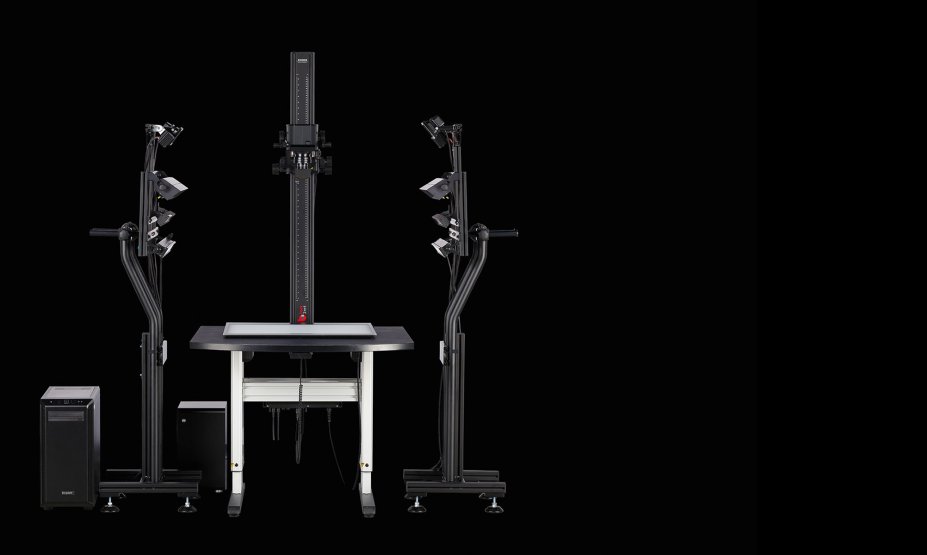
A comprehensive digitization of these rich collections is therefore only logical. MICROBOX GmbH is supporting the Klassik Stiftung Weimar in this project by using the book2net multispectral system.  With its unique technology, it ensures that even the smallest detail on each individual work of art that is scanned is reliably captured. This is complemented by software that enables the user to work quickly, conveniently and accurately.
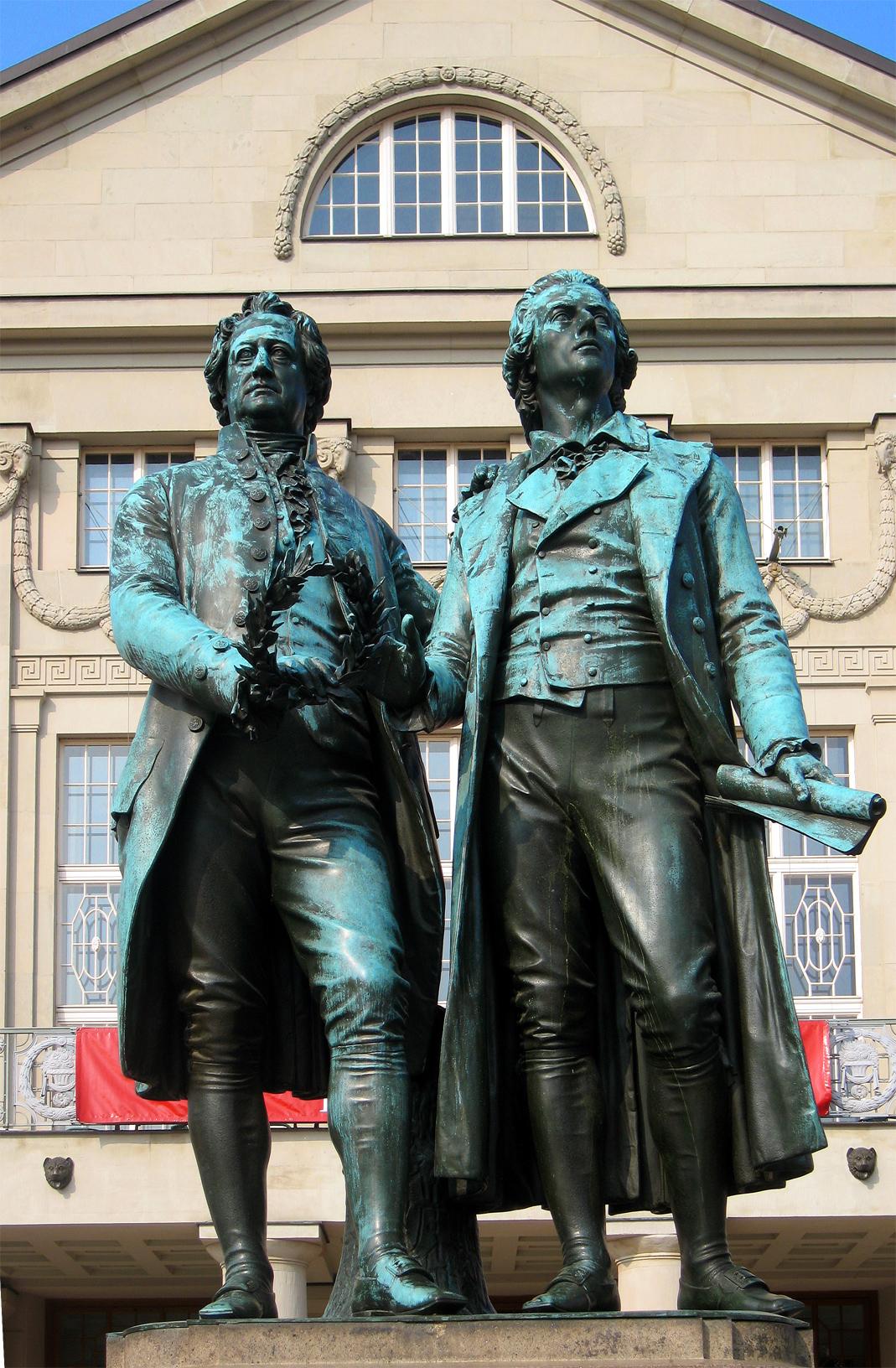
Goethe_Schiller_Weimar_c_Andreas Trepte_CC BY-SA 2.5
klassikstiftung-weimar
Photo: © Klassik Stiftung Weimar, photographers: Hannes Bertram

The Klassik Stiftung Weimar

This non-profit foundation under public law has set itself the task of preserving cultural treasures that bear witness to the period from the 16th to the 20th century. The institution was created in 2003 from the merger of the Stiftung Weimarer Klassik and the Kunstsammlungen zu Weimar, but its beginnings date back to the late 19th century.

In addition to the preservation and presentation of cultural assets, the Klassik Stiftung Weimar is also concerned with education. This starts at nursery and primary school age, but offers programs for all age groups. Another important pillar is research – including in cooperation with universities and other institutions in Germany and abroad.


the klassik stiftung Weimar in numbers

Capture, Analyze & Restore

The X71 multispectral system is being used to digitize hand drawings and prints from the 15th century to the present day for the Klassik Stiftung Weimar, including works by Albrecht Dürer, Leonardo da Vinci, Lucas Cranach and Caspar David Friedrich. In total, there are around 230,000 works.

“An important part of the collection are Johann Wolfgang von Goethe’s own drawings and his art collection. The poet owned over 9,000 prints and more than 2,000 hand drawings,” explains Uwe Golle from the Klassik Stiftung Weimar. He also refers to over 2,000 herbarium leaves from Goethe’s natural history collection, which are also being digitized using multispectral technology. These are dried and pressed plants or parts thereof.

All the works that the Klassik Stiftung scans, stores and publishes are about preserving them for future generations in two ways. Firstly, because the digitized works are not exposed to the environmental influences that the originals are confronted with. Secondly, each individual sheet can be precisely analyzed thanks to the state-of-the-art technology and convenient software of our X71 multispectral system. Mould stains, moisture, old restorations and more are detected – and counter-measures are taken.

Digitization is followed by restoration. For example, paper tears are closed and ageing processes are slowed down or stopped. Uwe Golle explains: “Everything we handle should then be in a condition that, if stored correctly, will not need to be restored again for 50 to 100 years.”
KSW-Case Study

The Technology

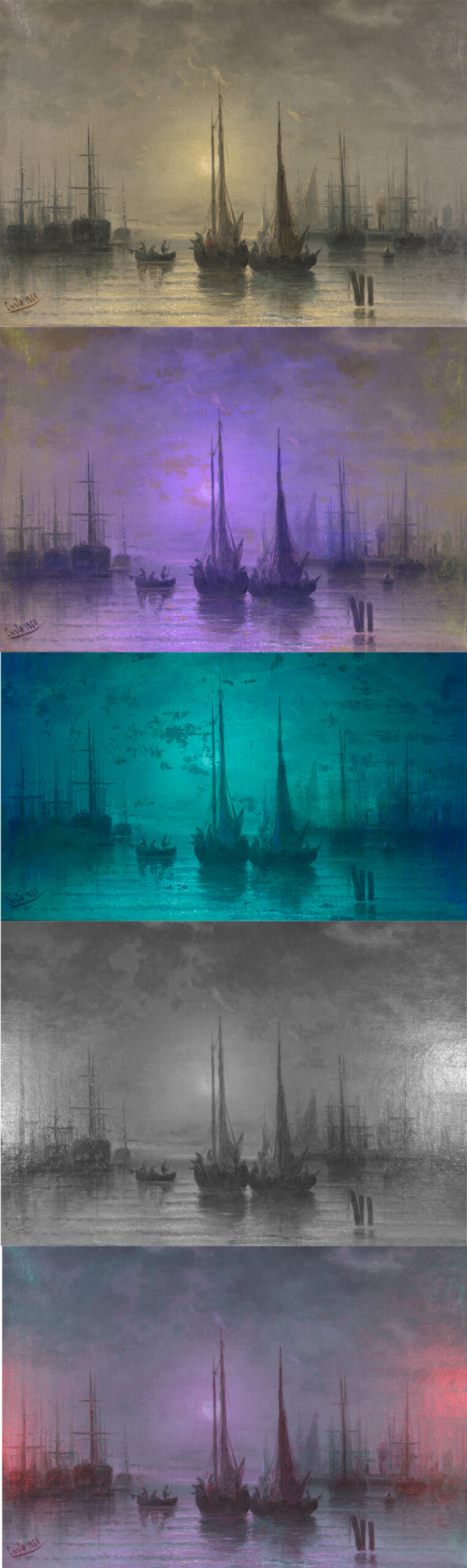
The objects are digitized with our X71 multispectral system. Infrared and UV light can be used to capture every last detail. For example, the paper structure, any preliminary drawings, watermarks and pigments that would be invisible or only faintly visible to the naked eye become visible. Anyone using the multispectral system can “delve” into the depths of each individual page and gather important insights. One example: infrared light in a certain waveband optically highlights substances containing carbon, while other sites in the same waveband appear faded. With the easy-to-use software, you can display what you want to analyze with just a few clicks.

There is no need to change a filter on the lens for all this. The camera itself recognizes which areas it needs to focus on at that moment and which areas it needs to “fade out”. By dispensing with a manually installed filter, vibrations that would have a negative effect on the scanning process are avoided.

The images taken with the X71 multispectral system provide the Klassik Stiftung Weimar’s graphic arts restoration department with a contemporary documentation of the incoming works and their condition and are fundamental for restoration planning and any further examination.

Further Case Studies

Goethe Multispektral

Goethe und noch viel mehr

Wer an Weimar denkt, dem fallen schnell Goethe, Schiller und der Bauhaus-Stil ein. Sicher drei Aushängeschilder, doch die thüringische Stadt hat viele weitere kulturelle Facetten zu bieten. Um deren Erhalt macht sich die Klassik Stiftung Weimar verdient. Sie bildet eine Bandbreite ab, die ihresgleichen sucht. Dichterfürst Goethe spielt dabei eine zentrale, aber bei weitem nicht die einzig relevante Rolle. Die Stiftung umfasst mehr als 27 Museen, Schlösser, historische  Häuser und Parks sowie Sammlungen der Literatur und Kunst. Es liegt auf der Hand, dass sie diesen umfangreichen Fundus erhalten, an spätere Generationen weitergeben und in Gegenwart und Zukunft möglichst vielen Menschen zugänglich machen möchte.

Eine umfassende Digitalisierung dieser reichhaltigen Sammlungen ist da nur folgerichtig. Die MICROBOX GmbH unterstützt die Klassik Stiftung Weimar bei diesem Vorhaben  durch den Einsatz des book2net Multispektralsystems. Mit seiner einzigartigen Technik sorgt es für ein sicheres Erfassen jedes noch so kleinen Details auf jedem einzelnen Kunstwerk, das gescannt wird. Hinzu kommt eine Software, die dem Benutzer ein schnelles, bequemes und genaues Arbeiten ermöglicht.

Goethe_Schiller_Weimar_c_Andreas Trepte_CC BY-SA 2.5
klassikstiftung-weimar
Photo: © Klassik Stiftung Weimar, photographers: Hannes Bertram

Die Klassik Stiftung Weimar

Die gemeinnützige Stiftung des öffentlichen Rechts hat es sich zur Aufgabe gemacht, kulturelle Schätze zu bewahren, die Zeugnisse der Zeitspanne vom 16. bis zum 20. Jahrhundert sind. Im Jahr 2003 entstand die Institution aus dem  Zusammenschluss der Stiftung Weimarer Klassik mit den Kunstsammlungen zu Weimar, ihre Anfänge jedoch reichen bis ins späte 19. Jahrhundert zurück.

Neben Aufbewahrung und Präsentation des Kulturguts geht es der Klassik Stiftung Weimar auch um Bildung. Dabei setzt man bereits im Kita- und Grundschulalter an, hält aber Angebote für alle Altersgruppen bereit. Eine weitere wichtige Säule ist die Forschung – unter anderem in Kooperation mit Universitäten und anderen Einrichtungen im In- und Ausland.

Die klassik stiftung weimar in zahlen

Erfassen, analysieren & restaurieren

Mit dem book2net Multispektralsystem werden für die Klassik Stiftung Weimar unter anderem Handzeichnungen und Druckgrafiken vom 15. Jahrhundert  bis in die Gegenwart digitalisiert, darunter Werke von Albrecht Dürer, Leonardo da Vinci, Lucas Cranach und Caspar David Friedrich. Insgesamt handelt es sich um etwa 230 000 Werke.

„Ein wichtiger Bestandteil der Sammlung sind die eigenhändigen Zeichnungen Johann Wolfgang von Goethes und seine Kunstsammlung. Der Dichter besaß über 9.000 Druckgraphiken und mehr als 2.000 Handzeichnungen.“, erläutert Uwe Golle von der Klassik Stiftung Weimar. Er verweist zudem auf über 2.000 Herbarblätter aus der naturwissenschaftlichen Sammlung Goethes, die ebenfalls multispektral digitalisiert werden. Dabei handelt es sich um getrocknete und gepresste Pflanzen oder Teile davon.

Bei allen Werken, die die Klassik Stiftung scannt, speichert und publiziert, geht es im doppelten Sinne um den Erhalt für künftige Generationen. Zum einen, weil die Werke im digitalisierten Zustand nicht den Umwelteinflüssen ausgesetzt sind, mit denen die  Originale konfrontiert sind. Zum anderen kann jedes einzelne Blatt dank der hochmodernen Technik und der komfortablen Software unseres Multispektralsystems genau analysiert werden. Stockflecken, Feuchtigkeit, Altrestaurierungen und anderes mehr werden erkannt – und es wird gegengesteuert. 

Auf das Digitalisieren folgt das Restaurieren. So werden beispielsweise Risse im Papier geschlossen und Alterungsprozesse verlangsamt oder gestoppt. Uwe Golle erklärt: „Alles, was wir in die  Hand nehmen, sollte danach in einem Zustand sein, dass es bei korrekter Lagerung für 50 bis 100 Jahre nicht erneut restauratorisch bearbeitet werden muss.“

KSW-Case Study

Die Technik

Die Objekte werden mit unserem book2net Multispektralsystem digitalisiert. Dabei kann man mittels Infrarot- und UV-Licht jedes noch so kleine Detail erfassen. So werden beispielsweise, je nach Wunsch, die Papierstruktur, eventuelle Vorzeichnungen, Wasserzeichen und Pigmente sichtbar, die man mit dem bloßen Auge gar nicht oder nur schwach erkennen würde. Wer das Multispektralsystem bedient, kann bis in die Tiefen jeder einzelnen Seite „eintauchen“ und wichtige Erkenntnisse sammeln. Ein Beispiel: Infrarotlicht in einem bestimmten Wellenbereich hebt Substanzen, die Kohlenstoff enthalten, optisch hervor, während andere Stellen im selben Wellenbereich verblasst erscheinen. Mittels der einfach zu bedienenden Software kann man mit wenigen Klicks das anzeigen lassen, was man gerade analysieren möchte.

Für all das muss man am Objektiv keinen Filter wechseln. Die Kamera erkennt selbst, auf welche Stellen sie in diesem Moment ihren Fokus legen und welche Bereiche sie „ausblenden“ muss. Durch den Verzicht auf einen manuell einzubauenden Filter vermeidet man Erschütterungen, die sich nachteilig auf den Scanvorgang auswirken würden.

Die Aufnahmen mit dem book2net Multispektralsystem sind für die Graphikrestaurierung der Klassik Stiftung Weimar eine zeitgemäße Eingangs- und Zustandsdokumentation und grundlegend für die Restaurierungsplanung und jedwede weitere Untersuchung.

Weitere Case Studies