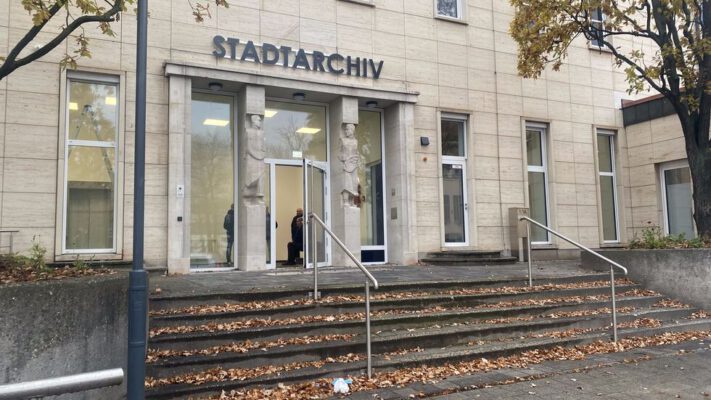
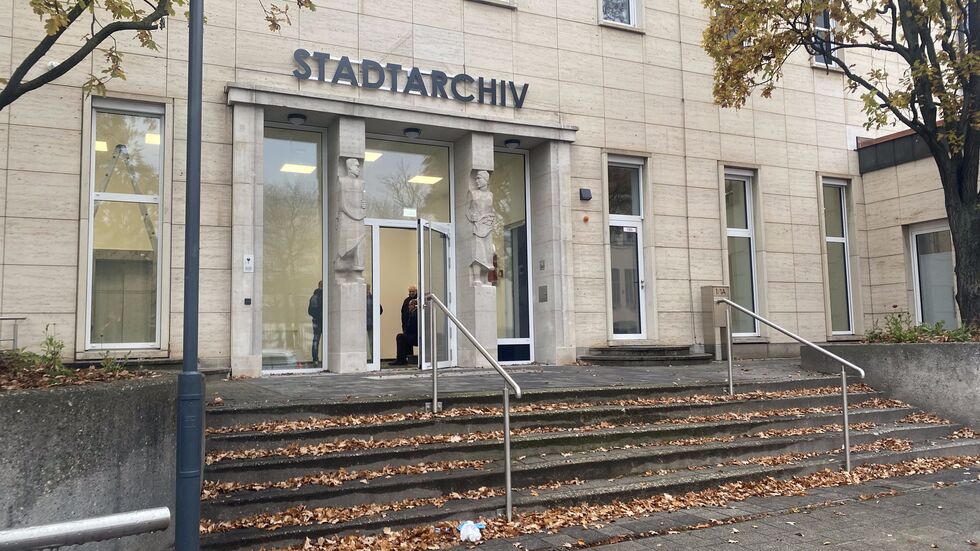
Die Bedeutung des Zwickauer Stadtarchivs
„Das sind nach Adam Riese…“ – wer kennt nicht diese Redewendung, wenn es um Rechenaufgaben geht. Doch wer weiß schon, wer dieser Adam Riese eigentlich gewesen ist? Zunächst einmal: Er hieß Adam Ries, ohne „e“. Und im Stadtarchiv Zwickau ist ein Dokument erhalten, das auf den berühmten Rechenmeister zurückgeht, der im Jahr 1509 in Zwickau gelebt hat. Dort verfasste er vor dem Hintergrund eines Streits zwischen Bürgern und Bäckern wegen des Brotgewichtes sogenannte Brottafeln und im Jahre 1553 schließlich eine Brotsatzung. Diese blieb bis ins 19. Jahrhundert hinein gültig. Heute zählt sie zu den wertvollsten Schätzen, die das Stadtarchiv Zwickau beherbergt.
Weitere Highlights sind beispielsweise ein Protestbrief Martin Luthers an den Rat der Stadt Zwickau, der Nachlass des eigentlich mit Nürnberg eng verbundenen Meistersingers Hans Sachs und der historische Stadtplan Zwickaus von Jeremias Vollrath aus dem 17. Jahrhundert. Würde man sämtliche Bestände des Stadtarchivs aneinanderreihen, käme man auf sechs Kilometer, sagt Archivleiter Benny Dressel.




Projekthintergrund
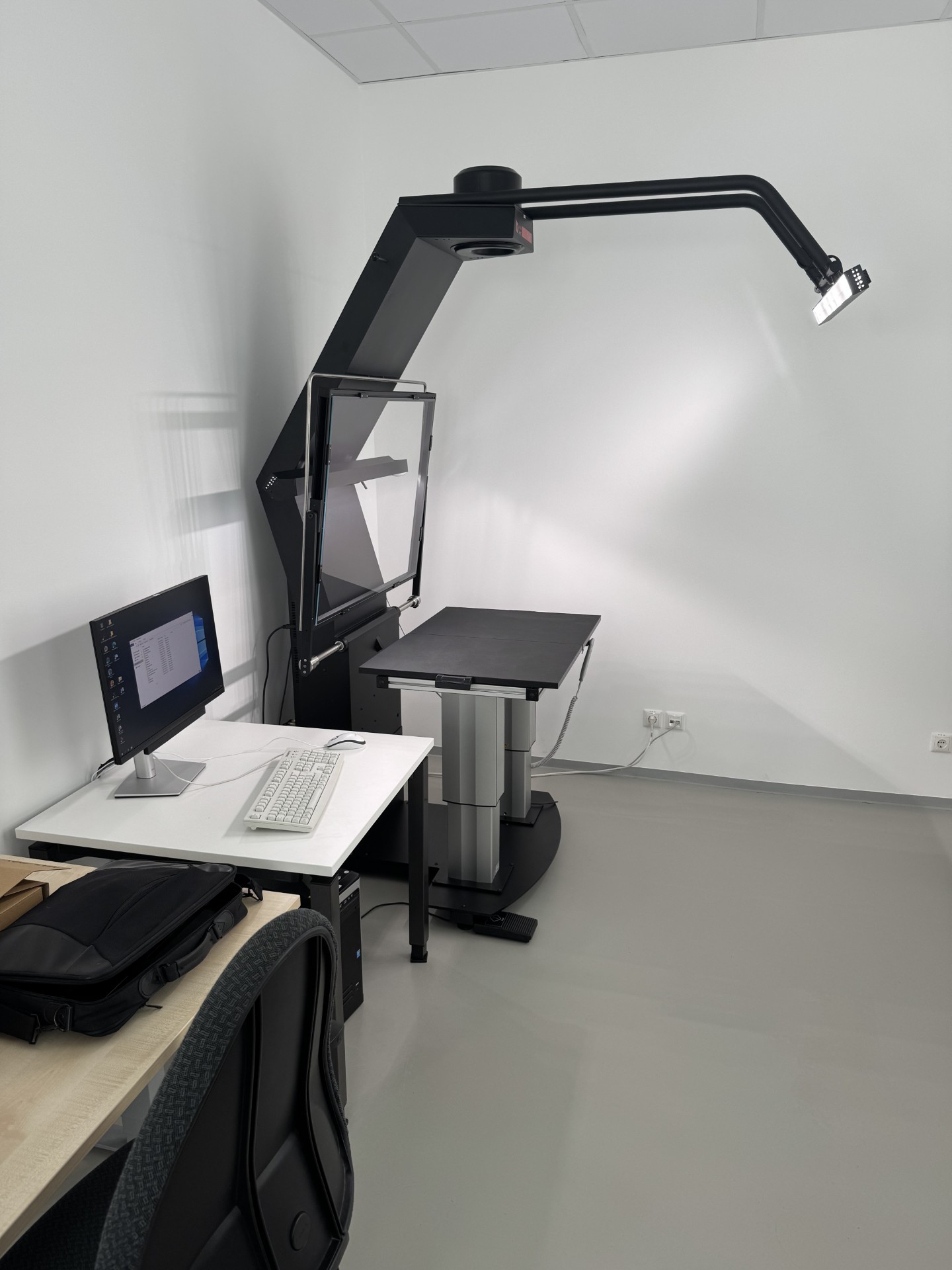
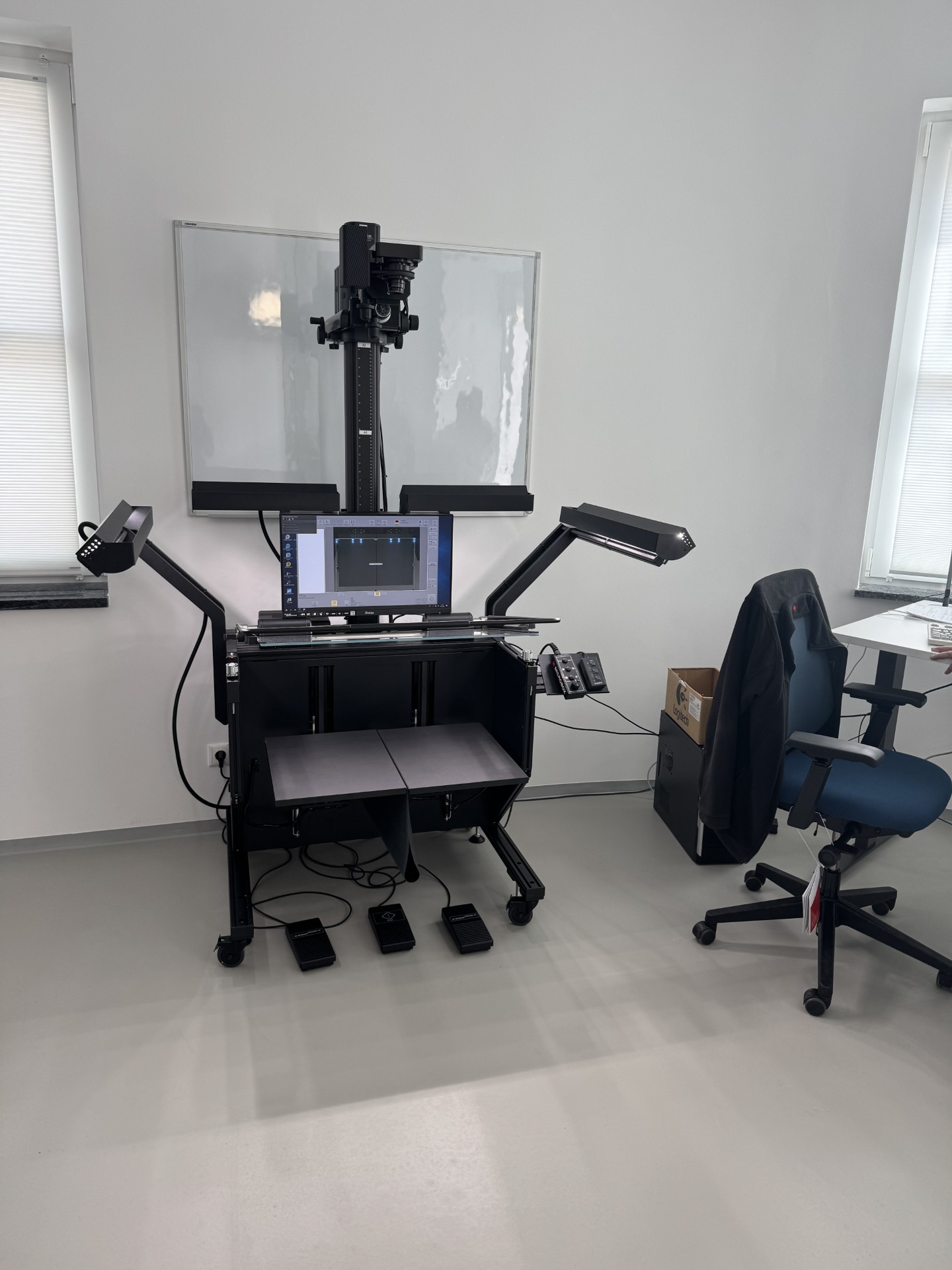
Das Stadtarchiv Zwickau zieht derzeit – Stand April 2025 – um. Nun hat man auch den Platz, um sich verstärkt der Digitalisierung bedeutender Teile des Archivbestands zu widmen. Und so hat man jeweils einen book2net Archive Pro A2 und einen book2net Flash A1 angeschafft. Zunächst werde man sich darauf konzentrieren, die kompletten Personenstandsunterlagen zu digitalisieren, sagt Benny Dressel. Das Ziel: Irgendwann soll jeder interessierte Nutzer – bei vorherigem Ablauf von Schutz- und Sperrfristen gemäß Sächsischem Archivgesetz – die Unterlagen direkt im Netz aufrufen können. Außerdem gehe es darum, besonders wichtige, wertvolle und empfindliche Dokumente in die digitale Welt zu übertragen. Das gilt auch für Bauakten, in denen sich große Karten befinden, die mit dem book2net Flash gescannt werden sollen.
Bisher sei im Stadtarchiv Zwickau schon einiges digitalisiert worden, die gestiegenen Anforderungen der Nutzer erfordern jedoch auf diesem Gebiet eine Beschleunigung. Zusätzlich zu den Scans würden Mikrofilme erzeugt, sagt Benny Dressel. Nun also bricht mit dem Einsatz von Flash und Archive Pro eine neue Ära an.
Die Technik
Gerade wenn eine große Menge Archivgut digitalisiert werden soll, ist man froh, wenn der Komfort-Faktor stimmt. Das ist sowohl beim Flash als auch beim Archive Pro der Fall. Stadtarchiv-Leiter Benny Dressel lobt mit Blick auf den Flash die Benutzerfreundlichkeit und das Preis-Leistungs-Verhältnis und mit Blick auf den Archive Pro die Spielräume, die man beim Scannen hat. So kann sich Dressel unter anderem vorstellen, beim Digitalisieren der Urkunden quasi nebenbei eine digitale Siegelsammlung anzulegen.
Und natürlich sieht Dressel auch die Vorzüge, die beim Vorliegen von Digitalisaten in Top-Qualität auf der Hand liegen: Man kann jede Stelle des gescannten Dokuments am Bildschirm vergrößern, sich auf diese Weise ganz bequem Details anschauen. Nicht zuletzt kann das Digitalisieren Grundlage für das Restaurieren alter und beschädigter Originale sein.
Zu den zahlreichen Vorteilen digitalisierter Archivbestände zählt natürlich neben dem Schonen der analogen Exemplare die Verfügbarkeit der Kostbarkeiten jederzeit und von überall aus. Auch beispielsweise auf Unterlagen, die man sich zwecks Erforschung der eigenen Familiengeschichte anschauen möchte, könnte man ganz bequem zugreifen. Das Stadtarchiv Zwickau, das viele Jahrhunderte in die Vergangenheit reicht und bedeutende Einblicke in die Geschichte bietet, macht sich mit beiden book2net-Scannerns fit für die Zukunft.